

Getting to the Root of Autoimmune Disorders: Anemia, Food Sensitivity, and More!
Autoimmune disease happens when the body’s immune system attacks friendly and important tissue.
These attacks can show up in places like the:
- Joints
- Skin
- Endocrine glands
- Gastrointestinal tract
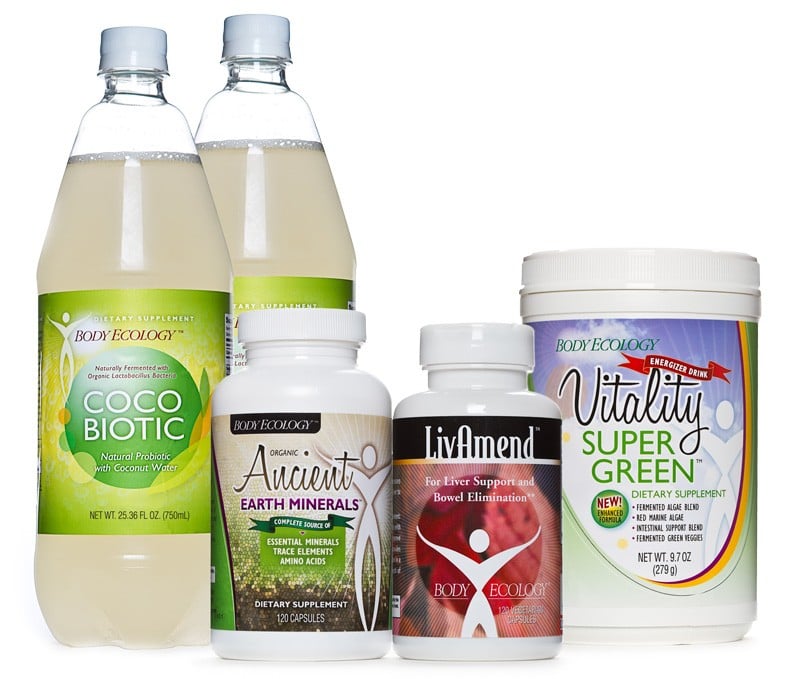
A gut infection can stress the immune system, trigger inflammation, and prevent the gut from healing itself. The Body Ecology Be Clean Kit offers tools you need to fight infection and heal the lining of the gut.
When an autoimmune attack takes place, inflammation occurs as a part of the immune response. With inflammation, tissue damage follows. When enough tissue damage occurs, this tissue becomes stiff and useless. Often, pain accompanies severe tissue damage.
Controlling autoimmune flare-ups is like working with a moving target. Evaluations and adjustments need to constantly be made. This is because the body is in a constant state of response towards its internal environment and the external environment.
A deal breaker in the body is any condition that will inhibit healing and repair. Unless a deal breaker is addressed, progress cannot be made.
Deal Breaker #1: Anemia
Red blood cells deliver oxygen to all areas of the body.
Oxygen is an essential nutrient for every cell in the body and is involved in the production of cellular energy:
- Anemia, or a shortage of red blood cells, means that there is a disruption in the delivery of oxygen.
- Anemia prevents the proper delivery of oxygen to the body.
- This makes it harder for the gut to heal and for the endocrine system to find proper balance.
Oftentimes, during an inflammatory response or constant immune distress, the endocrine system and especially what are called the pituitary and adrenal glands can become exhausted. Anemia, currently affecting 24.8 percent of the global population according to the latest WHO statistics, must be addressed first for any kind of real progress to be made.1
Body Ecology Super Spirulina Plus is equipped with a rich array of nutrients, including iron, folic acid, and B12:
- Iron, folic acid, and vitamin B12 are essential in building red blood cells.
- These nutrients are often deficient in those with diet-related anemia.
- Super Spirulina Plus is 50 percent fermented Spirulina.
- When you ferment anything, including Spirulina, you increase the digestibility and bioavailability of nutrients.
- Because Spirulina can help escort toxins out of the body, pump up the immune system, and build red blood, many people have found that making Spirulina a regular part of the diet is an excellent way to alleviate anemia, reduce toxicity in the body, and support immune health.
Deal Breaker #2: Blood Sugar
If blood sugar is drastically rising or falling, or both, this is a condition known as dysglycemia. These fluctuations make it impossible for the endocrine system to reach a state of balance. Again, a healthy endocrine system is essential for gut repair and dampening the inflammatory cascade. Inflammation, as you may already know, is hallmark to autoimmune disorders.
By simply following the 7 Healing Principles of the Body Ecology Diet, you end up practicing proper food combining and reducing the total number of carbohydrates that you ingest:
- Controlling carb intake and proper food combining will both help to stabilize blood sugar, which will swing from high to low in a case of dysglycemia.
- All forms of advanced blood sugar issues, like diabetes, must be addressed under the care of a qualified healthcare practitioner.
- Zero-calorie Stevia is an ideal alternative to replace sugar and harmful artificial sweeteners in the diet, often marketed to diabetics. In a recent study published in the journal Nature, artificial sweeteners were found to cause the exact problem they were supposed to prevent. Scientists believe artificial sweeteners may trigger spikes in blood sugar related to how they disrupt the gut microbiome.2
Deal Breaker #3: Gut Infection
A gut infection can be parasitic, fungal, or bacterial. Sometimes, several infections are taking place at once. In recent years, gut infections have become even more lethal. Denise Grady reports for The New York Times, based on CDC statistics, that gut infection deaths doubled from 1999 to 2007 and are especially dangerous to the elderly.3
A chronic gut infection will:
- Continually stress the immune system.
- Activate the inflammatory cascade.
- Undermine adrenal health.
- Prevent the lining of the gut from healing.
- Disrupt digestive function.
If you are battling a gut infection, a gut health support kit can help to greatly reduce the pathogenic load in the body:
- Typically, any infection in the gut, even a rapid bout of food poisoning, will make the gut inflamed and permeable.
- The Body Ecology Be Clean Kit is a great way to begin because it comes equipped with helpful tools to address gut infection.
- The Be Clean Kit contains detoxifying tools that help to get infection in check, while also repairing the lining of the gut.
In other cases, bacterial or fungal infections can often be controlled and eliminated with diet alone:
- Diet includes eating fermented foods with every meal and adhering to the 7 Principles of the Body Ecology Diet.
- When working within this framework for a minimum of 30 days, you should begin to see some improvement.
- If there is none at all, or if you have plateaued in your progress, you may want to proceed with a gut health support kit or even work with a Certified Body Ecology Coach or qualified healthcare provider.
Deal Breaker #4: Food Sensitivity
Food sensitivity is not just about gluten and casein, which are known as the major culprits in food-related inflammatory disorders:
- Food sensitivities can develop from literally any food that we eat, especially those foods that we eat frequently and during times of stress.
- Stress often reads in the body as inflammation.
Any time that the inflammatory cascade is activated (during sudden or long-term stress), the gut can become permeable and allow food particles into the bloodstream that should not be there. Your immune system, doing its job, will identify these large food particles as invaders and tag them for an immune response. When this happens, food sensitivity develops. According to the latest figures from the American Academy of Allergy, Asthma, & Immunology, food allergies have become increasingly common, affecting an estimated 8 percent of children. Global sensitization rates (marked by the presence of IgE antibodies) to one or more common allergens among schoolchildren have reached almost 50 percent.4
It’s possible to find relief for food sensitivities and allergies when you focus on strengthening the lining of the gut:
- Taking a daily probiotic like InnergyBiotic helps to improve both immunity and gut health with a plentiful dose of friendly bacteria.
- Research supports the power of probiotics to prevent and remedy allergies by supporting the immune system and the inner ecosystem of the gut.
Deal Breaker #5: Toxicity
Toxicity is the result of living in modern times. Chemical, environmental, and heavy metal toxicity are issues that we all deal with on some level. The American College of Obstetricians and Gynecologists confirms that harmful environmental chemicals can be found in almost all areas of life — from food to water to soil to consumer products. All people face daily toxin exposure, with special dangers to pregnant women, to dozens of different chemicals as the new “norm.”5 Whether or not this develops into sensitivity, triggering an immune response and the breakdown of tissue, again depends on the health of the rest of the body. However, if toxicity is never fully addressed, it will be impossible to manage the inflammatory conditions found in many autoimmune diseases.
With toxicity, we often see a congested and overloaded liver. This is because the liver is the primary organ responsible for clearing out toxic debris from the body.
In order for the liver to do its job properly, the large intestine must be doing its job, and bowel elimination must take place on at least a daily basis:
- Body Ecology LivAmend is a botanical formula that helps to relieve liver congestion, while also gently clearing the bowels for complete evacuation.
- Including fermented foods and beneficial bacteria in the diet is essential for any program designed to alleviate toxicity in the body.
- This is because beneficial bacteria are known detoxifiers and will pull toxic heavy metals from the body.
- Beneficial bacteria are also known to control the inflammatory response in the gut.
What To Remember Most About This Article:
Autoimmune diseases occur when the body’s immune system attacks its own healthy tissue. This causes inflammation and chronic tissue damage.
By learning more about the five deal breakers that inhibit healing in the body, you can fight inflammation and get your health back on track:
- Anemia: A shortage of red blood cells prevents proper oxygen delivery throughout the body, making it hard for the gut to heal itself. Super Spirulina Plus, made with 50 percent fermented Spirulina, can help flush toxins out of the body, boost the immune system, and build red blood to alleviate anemia.
- Blood Sugar: Drastic fluctuations in blood sugar are called dysglycemia and can prevent the endocrine system from balancing itself. Naturally sweet and naturally sugar-free Stevia can help stabilize blood sugar levels when used as a substitute for sugar and harmful artificial sweeteners.
- Gut Infection: A chronic gut infection will stress the immune system, activate inflammation, and disrupt digestion. The Body Ecology Be Clean Kit is designed to fight gut infection, while healing the lining of the gut.
- Food Sensitivity: Food sensitivities can occur from any food we eat, especially in times of stress. Drinking a daily probiotic like InnergyBiotic can help to alleviate food intolerances, sensitivities, and even allergies by strengthening the lining of the gut.
- Toxicity: Toxicity comes from chemicals and heavy metals in our modern environment that trigger an immune response. LivAmend supports detoxification by helping to decongest the liver and improve bowel elimination.
REFERENCES:
- “Global anaemia prevalence and number of individuals affected.” WHO.
- “Artificial Sweeteners Could Cause Spikes in Blood Sugar.” Washington Post.
- Grady, Denise. “Gut Infections Are Growing More Lethal.” The New York Times.
- “Allergy Statistics.” AAAAI.
- “Exposure to Toxic Environmental Agents.” The American College of Obstetricians and Gynecologists.
LATEST ARTICLES

POPULAR ARTICLES



Customer Reviews

Really settles my stomach. Love it!
This is an excellent probiotic, I drink it daily.


