

Energy Drink Nutrition: The Dangers You Need to Know and the Best Choices Instead
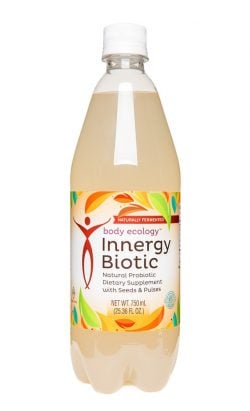
Many people are turning to energy drinks like Red Bull and Monster to help them last through the day and on into the night. What you might not know is that “energy drinks” can actually make you more tired after their effects wear off. Want a much better, natural alternative? Check out Innergybiotic! This natural energy, sports and performance probiotic drink has too many healthful benefits to count. Can you say the same for your energy drink?
It’s four o’clock and you need a little “kick.” Trying to be healthy, you choose an energy drink instead of some coffee.
Energy drinks like Red Bull, Monster and Rockstar taste good (according to many people, at least) and seem to be “energy in a can.” Plus they often have herbal additions that make us think they are healthy.
But are these energy drinks actually good for you?
Energy Drink or Energy Drain?
Energy drinks are marketed well as a “good” alternative to coffee and sodas. These drinks claim to boost mental alertness, enhance your metabolism, and increase endurance.
Generally, different brands of energy drinks contain roughly the same ingredients that give you a temporary energy boost.
Some common ingredients of popular energy drinks include:
- Sugar or artificial sweetener
- Caffeine or guarana (a Brazilian plant that contains caffeine)
- Herbal supplements like gingko biloba, Echinacea, ginseng, and St. John’s wort
- Amino acids in the form of taurine
- Preservatives and artificial colors
While these substances may seem fairly harmless (yet are far from it), the two main ingredients of energy drinks, sugar and caffeine, are not the quick energy fix they seem to be.
In fact, relying on sugar and caffeine sends your body into a cycle of dependency that can seriously harm your health, cause you to age quickly and make you gain weight.
Energy Drink Nutrition: The Real Deal
Sugar
Sucrose, the kind of simple sugar in energy drinks, spikes your blood sugar and gives you a sugar high. Soon enough, you’ll come crashing down and your body will tell you that it needs another dose.
Excess sugar in your diet has been linked to:
- Diabetes
- Cavities
- Obesity
- Premature aging
- Low serotonin levels (that actually cause more sugar cravings!)
- Upsetting the balance of microflora (good bacteria) in your gut
Read more about sugar and its effects on your body in The 25 Key Reasons You Want to Dramatically Reduce or Avoid Sugar in Your Diet.
Caffeine and Guarana
Caffeine and guarana (which contains caffeine) are both stimulants.
Like sugar, they energize your body temporarily. As your body becomes accustomed to energy from caffeine, you begin to need it in order to function.
Caffeine has a profound effect on your endocrine system and the rest of your body.
Here are some affects of caffeine1:
- Acidifies your blood
- Increases cortisol levels (which contributes to fat storage around your midsection)
- Can inhibit healthy sleep patterns
- Causes an increase in adrenaline that can leave you feeling agitated and jumpy
How to Create Lasting Energy
Since energy drinks are NOT the answer to your fatigue, how can you energize yourself the healthy way?
When you feel the need for a boost, try an energy drink, but make it a healthy energy drink! Something like a probiotic liquid.
Probiotic liquids are fermented drinks full of healthy microflora that can re-colonize your intestines and shut out the bad guys that sap your energy. They help you digest, boost your immunity and give you the long term energy that does not require a “quick fix.”
So when it comes to thinking about real energy sources, drinking water can give you energy, since dehydration can cause fatigue. Even more important is paying attention to the health of your adrenals and thyroid, which are your true sources of energy.
We need energy to feel good, and just as critical, we need energy to heal.
The Body Ecology lifestyle program helps you boost your energy by nourishing your adrenals and thyroid, plus removing the pathogens that sap your energy and create illness. Pathogens, like bad bacteria and yeast, can overload your intestines, drain your energy and set you up for illness and disease.
How does this happen? Poor diet, chronic stress, environmental toxins and drugs (over-the-counter, prescription or recreational) all contribute to the growth of bad bacteria and yeast.
In short, our modern lifestyle habits put us at risk.
You can change the course of your health by making some simple changes. One excellent change is to stop reaching for so-called energy drinks and start reaching for probiotic liquids.
Body Ecology’s Probiotic Energy Drink
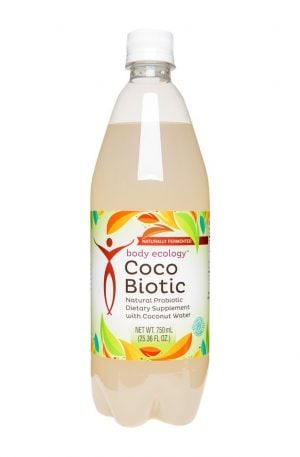
Mix Body Ecology’s fermented drink, Cocobiotic or Innergybiotic, with Stevia, water and lemon or lime juice for a delicious and energizing spritzer!
- Mix 4 ounces of a probiotic beverage like Cocobiotic or Innergybiotic with 4 to 8 ounces of filtered water (or sparkling mineral water for some fizz that rivals those energy drinks!).
- Add Stevia to taste.
- For a fruity flavor, add unsweetened lemon, lime, cranberry or black currant juice.
- Enjoy your sweet, fizzy drink and feel the natural boost of energy, without raising your blood sugar or relying on caffeine!
- Choose from these probiotic beverages as the base for your healthy energy drink:
- Innergybiotic
- Cocobiotic
- Young Coconut Kefir which you can make at home
As you transition your body away from unnatural stimulants like sugar and caffeine, you will discover that your body has its own natural rhythm and that you can create long-term energy based on the healthy lifestyle and food choices you make.
Energy drink nutrition can be one way that you take care of yourself and your health. Drink up!
Sources:
1. Scott, Elizabeth, “Caffeine, Stress, and Your Health: Is Caffeine Friend or Foe?”
2. National Center for Complementary and Integrative Health, Energy Drinks
LATEST ARTICLES




POPULAR ARTICLES



Customer Reviews

Really settles my stomach. Love it!
This is an excellent probiotic, I drink it daily.


