

Eggs: What Health-Conscious People REALLY Need to Know about One of the Most Controversial Foods
According to the American Heart Association, 1 in 3 American adults have high levels of LDL (the “bad”cholesterol).1
For this reason, Americans are often recommended to eat a low cholesterol diet to lower their cholesterol levels and reduce the risk for cardiovascular disease – since according to the CDC, having high blood cholesterol raises the risk for heart disease and for stroke.2 With that in mind, it’s no wonder that eggs have gotten a bad rap in the past because they are considered to be a high cholesterol food due to the cholesterol content of the yolk.
HDL and LDL
Over time, research started to differentiate between HDL (high density lipoprotein) and LDL (low density lipoprotein) cholesterol. HDL is known as “good cholesterol” because it protects against heart attacks, while LDL is known as “bad cholesterol” because it creates plaque that can clog arteries, contributing to heart attack and stroke.
Further research has shown that there are different types of LDL cholesterol, not all of which are responsible for clogging arteries. This makes a difference in determining what foods to avoid.
Cardiovascular risk is associated with high concentrations of LDL cholesterol. Studies show that eating eggs does not increase the LDL/HDL ratio, a key marker of heart disease risk.3
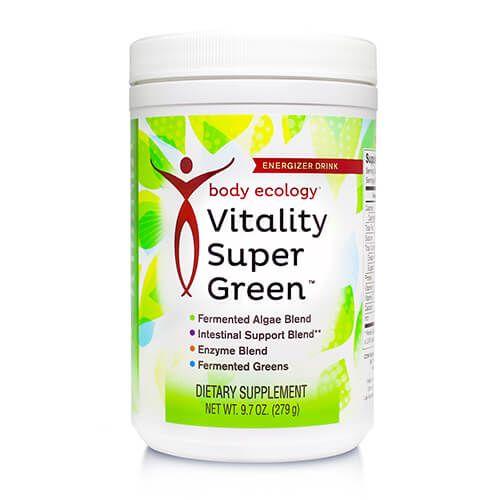
Body Ecology’s Vitality SuperGreen is our nutrient-dense green drink formula that has been designed to nourish your gut lining and help establish a healthy inner ecosystem. Non GMO soy lecithin plays a valuable role in digestive health as well.
The Health Benefits of Eggs
At Body Ecology, we love a good egg. Eggs are an ancient food. Man has always eaten the eggs of all animals that produced them: chicken, duck, goose, turtles. Called caviar and roe, the eggs from fish are very special foods. Eggs are foods of reproduction and so therefore are good for our reproductive organs, making them a must for pregnant and nursing women.
Additionally, eggs are a wonderful source of nutrition and can greatly strengthen your health. Eggs provide a vital source of protein, vitamin A, vitamin D, folic acid, phosphorus, sulfur, and the adrenal-building minerals: choline, sodium, and potassium.
Eggs have been shown to:
- Keep your brain healthy. Choline is an important nutrient found in egg yolks that is required by the body to keep cell membranes normal and healthy as they function.4
- Prevent Alzheimer’s disease. Phosphatidylcholine is a nutrient in eggs essential for concentration, attention, and retaining information in the memory to ultimately prevent Alzheimer’s disease.5
- Improve heart health. Homocysteine is a substance in the body that can damage the blood vessels and leave you at risk for heart disease. Luckily, the choline found in eggs will convert homocysteine into harmless material. Eggs may also decrease your risk for heart attacks and stroke thanks to the anti-clotting agent found in yolks.6
- Enhance your vision. The lutein found in eggs can help prevent macular degeneration.7
- Nourish expecting mothers and their babies. Egg yolks contain high levels of biotin, a B vitamin that may promote baby’s health. Even more so, egg yolks should be a baby’s first animal food and can be introduced at around six months.
- Aid in fat assimilation. Eggs yolks contain lecithin. In fact, lecithin is the precursor to choline, which helps lower serum cholesterol.8 (Lecithin can be made from eggs and from soybeans.)
Classic barnyard chickens are a far cry from the commercial chicken farms today that pack 500,000 animals into close quarters where they feed them genetically modified (GM) grains and emphasize production over health. The result? Supermarket eggs have low levels of essential omega-3 fatty acids and are more prone to spreading salmonella!
The Body Ecology Diet is packed with information and recipes for health and healing. Learn more about eggs and other beneficial foods by getting your copy of The Body Ecology Diet today!
As you can see, eggs are truly good for you and can be a wonderful addition to your Body Ecology lifestyle!
Healthy Eggs Body Ecology Style
Here at Body Ecology, we recommend cooking your eggs “softly.” You never want to overcook proteins, or they become difficult to digest. We often make our eggs without much of the white, which is helpful for those who are sensitive to egg whites. In spite of the popular myth that egg white omelets are good for you, The yellow yolk has the most valuable nutrition. A baby’s first animal protein food should be softly scrambled egg yolks.
IMPORTANT: Do you find eggs difficult to digest? Eat them with cultured vegetables. Once you are eating and drinking fermented foods and liquids and have established your inner ecosystem, many foods you could not eat before are now well tolerated and can then become beneficial for rebuilding your body.
Eggs combine best with land and ocean vegetables and of course, cultured vegetables. These are alkaline and help create balance with the acidic nature of animal protein foods, including eggs. When cooking eggs, always add a touch of very alkalizing Celtic Sea Salt.
If you have been an egg lover but have given them up because you were told they were too high in cholesterol, you can now enjoy eggs again every day by choosing how to eat them wisely!
Sources:
1. New Guidelines: Cholesterol Should Be On Everyone’s Radar, Beginning Early In Life. American Heart Association.
2. High Cholesterol Facts. Centers for Disease Control and Prevention.
3. Lemos, B.S.; Medina-Vera, I.; Blesso, C.N.; Fernandez, M.L. Intake of 3 Eggs per Day When Compared to a Choline Bitartrate Supplement, Downregulates Cholesterol Synthesis without Changing the LDL/HDL Ratio. Nutrients 2018, 10, 258.
4. Harvard Medical School. A possible brain food that you’ve probably never heard of. Health.Harvard.Edu.
5. Patrick, Rhonda P. “Role of phosphatidylcholine-DHA in preventing APOE4-associated Alzheimer’s disease.” FASEB journal : official publication of the Federation of American Societies for Experimental Biology vol. 33,2 (2019): 1554-1564. doi:10.1096/fj.201801412R
6. , et al Associations of egg consumption with cardiovascular disease in a cohort study of 0.5 million Chinese adults.
7. Torrey, George, PhD. Lutein for Preventing Macular Degeneration. American Macular Degeneration Foundation.
8. Madelyn J. Hirsch, John H. Growdon, Richard J. Wurtman,
Relations between dietary choline or lecithin intake, serum choline levels, and various metabolic indices, Metabolism, Volume 27, Issue 8, 1978, Pages 953-960, ISSN 0026-0495, https://doi.org/10.1016/0026-0495(78)90139-7.
LATEST ARTICLES


POPULAR ARTICLES



Customer Reviews

Really settles my stomach. Love it!
This is an excellent probiotic, I drink it daily.


