


A Korean staple, kimchi is a highly potent probiotic food that can be enjoyed at every meal. No need to be intimidated: It’s simple and cost-effective to make when you follow our step-by-step kimchi recipe.
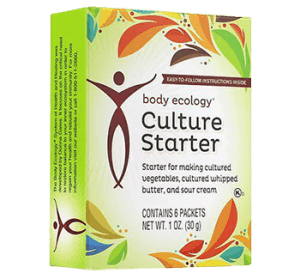
Our Veggie Culture Starter is versatile, whether you’re making your own probiotic-rich kimchi or sauerkraut:
“The Veggie Starter Culture made some very tasty sauerkraut. I used red and green cabbage and let it sit on my counter for a week. Delicious!!” – Susanne N.
Ingredients:
- 2 heads Napa cabbage (or another Chinese cabbage variety), shredded in a food processor
- 5-10 scallions or spring onions (similar to scallions, only stronger and hotter in flavor), finely chopped
- 2-3 cloves garlic, crushed
- 1 tsp. fresh ginger (crushed) or powdered ginger
- 2 jalapeños, minced fine
- 2 tbsp. fresh red chili pepper, crushed
- Half an onion (optional)
- Veggie Culture Starter
- 2 tbsp. honey or 1-3 scoops EcoBloom as food for the microbes (see below)
Instructions:
- Combine all ingredients in a large bowl.
- Remove several cups of this mixture and put into a blender.
- Add enough filtered water with the mixture in your blender to make a “brine” the consistency of a thick juice. Blend well and then add brine back into first mixture. Stir well.
- Pack mixture down into a 1½ quart glass or stainless steel container. Use your fist, a wooden dowel, or a potato masher to pack veggies tightly.
- Fill container almost full, but leave about two inches of room at the top for veggies to expand.
- Roll up several cabbage leaves into a tight “log” and place them on top to fill the remaining two-inch space. Clamp jar closed or screw on air-tight lid.
- Let veggies sit at about a 70-degree room temperature for at least three days. A week is even better. Refrigerate to slow down fermentation. Enjoy.
To use Body Ecology’s Culture Starter:
- Dissolve one or two packages of Culture Starter in 1½ cup warm (90-degree) water. Add some form of sugar to feed the starter (try Rapadura, Sucanat, honey, Agave, or EcoBloom).
- Let starter/sugar mixture sit for about 20 minutes or longer while the L. plantarum and other bacteria wake up and begin enjoying the sugar. Add this starter culture to the brine (step 3 in the instructions, above).
A little note about sugar, salt, and spice
Are you wondering why honey or some type of sweetener would be used in this kimchi recipe? The reason is that healthy microbes actually need food to grow, just like us. Microbes like sweets, such as sugars; they “eat” the sugar up in the fermentation process, leaving us with all the healthy benefits of fermented foods.
To learn more about feeding healthy microbes with prebiotics, read this article.
A traditional kimchi recipe has large amounts of chili powder, salt, and other spices that can inhibit the growth of healthy microbes in the initial stages of fermentation. At Body Ecology, we believe that the most effective method of fermenting foods is to use a starter culture.
As for salt: We do love high-quality Celtic sea salt, but we add it after the veggies are fermented and before eating them (if desired). The end product is teeming with the beneficial microbes that aid our health and vitality.


