

Candida: A Common Hospital Acquired Infection
Candida is recognized as a serious health risk.
Candida albicans is an opportunistic microorganism. Give it a chance, and it will do its best to spread as much as possible throughout the body. This is what the latest reports tell us about Candida albicans:
- Is the fourth most common source of hospital-acquired infections. (1)
- Is the # 1 most common opportunist infection of HIV-positive individuals. (2) (3)
Sticky Yeast Cells Can Become Widespread
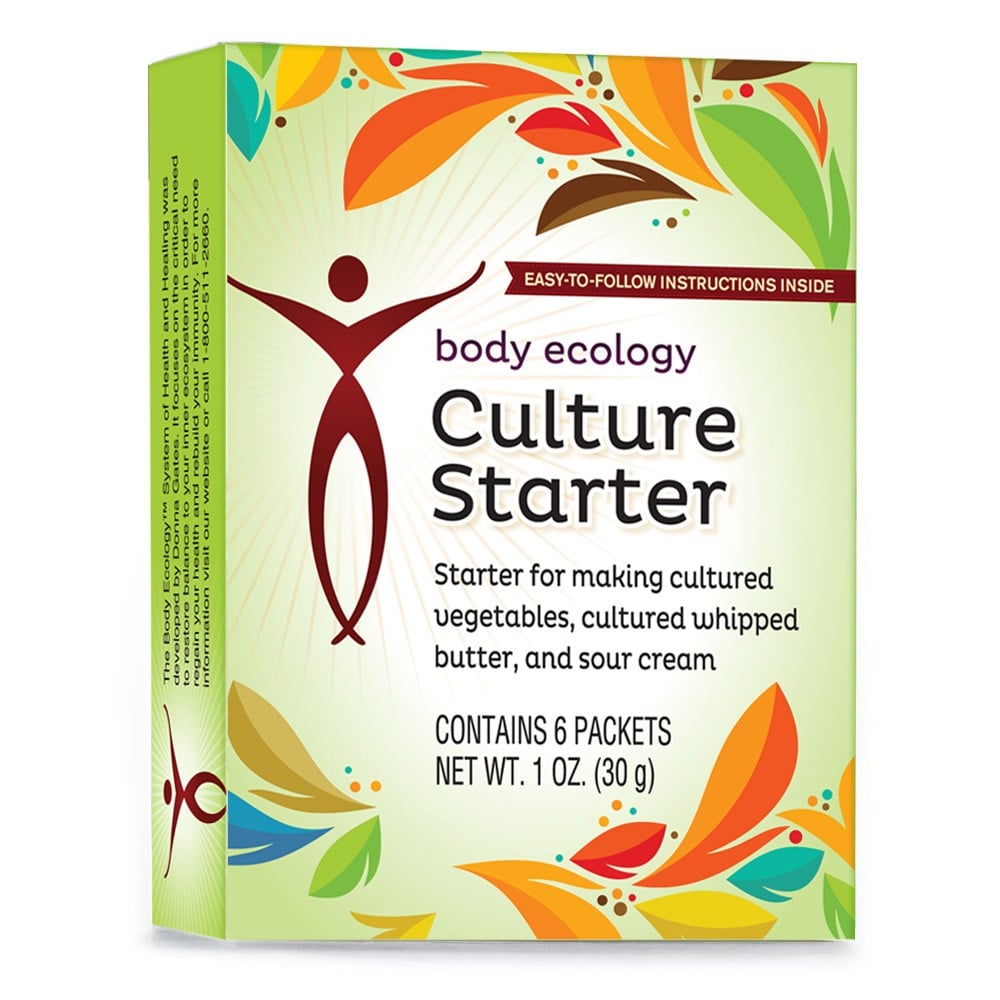
Your hospital stay may not be as safe as you think! Eating fermented foods daily, like cultured vegetables made with the Veggie Culture Starter, can naturally increase your body’s defense against opportunistic Candida, the fourth most common hospital-acquired infection.
The latest research on Candida albicans has found that it attaches to human cells by a certain binding protein, called Als (which stands for, “Agglutinin-like sequence”). Als is found on the surface of Candida. Als assists Candida yeast in:
- Clumping together.
- Adhering to damaged tissue.
This protein found on the surface of Candida is what makes it an opportunistic and “sticky” organism. Researchers speculate that the stickiness of Candida, to itself and to human tissue, is one reason why it so often and so easily invades the entire body. (4).
When Candida albicans infiltrates weakened or damaged tissue, such as what happens when the gut becomes permeable, it is able to move outside its native habitat. This is when Candida becomes a systemic infection. At this point, Candida becomes far more dangerous because the usual methods to keep it in check have been breached.
Are New Anti-Candida Drugs the Answer to Hospital Infections?
Because Candida has lately been recognized as a serious health threat, doctors are looking for drugs that block the sticky protein found on the surface of Candida cells. One study specifically investigated this protein. Dr. Paula Salgado, who led the study, tells us that:
New anti-fungal drugs are being developed to break down the sticky protein found in Candida.
Supporting the Body’s Natural Defenses
We must remember that Candida is opportunistic. Candida is found naturally within the digestive tract and along the vaginal walls. It populates these areas along with other microorganisms that are beneficial and friendly. As long as these healthy, beneficial microbes are kept at thriving numbers through a mostly alkaline diet and by consuming fermented foods on a daily basis, the inner ecology is balanced, and Candida albicans is kept in check.
Another reason: Beneficial microbes produce short chain fatty acids. What is so special about short chain fatty acids? Some of them, especially those produced by good bacteria, are naturally antimicrobial. These fatty acids are so antimicrobial that they are even used in modern food processing as preservatives and antimicrobial agents.
Good microbes minimize tissue damage. This is because healthy bacteria can actually limit inflammation. The inflammatory response leads to tissue damage. Remember, damaged tissue is exactly where Candida albicans can grab hold and grow!
Ancient Foods That Support Your Body’s Natural Defenses
Fermentation is one of the oldest food preparations methods still in practice. It was traditionally used to preserve food. Fermentation also enhances the nutrient value of food. The beneficial bacteria found in fermented foods:
- Have been shown to repair damaged intestinal tissue.
- Manufacture their own antimicrobial agents that target harmful bacteria.
- Minimize inflammation.
- Communicate with the cells of our immune system.
- Generate vitamins that our body uses.
- Break down food particles and contribute enzymes to the digestive process.
Fermentation Gets Good Bacteria into the Gut
The Body Ecology Kefir Starter and the Veggie Starter are excellent ways to inoculate the gut with specific beneficial microorganisms. Innergy Biotic is an easy way to feed the healthy microflora in your gut.
The Body Ecology Core Program was designed by Donna Gates after 30 years of studying Candida and its effects on the body. It focuses on healing the gut, rebuilding digestive strength, cleansing toxins, and increasing nutrient absorption.
What to Remember Most About This Article:
Candida poses a serious risk to your health as an opportunistic microorganism. On top of that, Candida is the fourth most common cause of hospital-acquired infections. Candida attaches to human cells with a binding protein and sticks to human tissue to invade the entire body. Candida most often sticks to damaged tissue to cause a systemic infection.
To fight Candida, we must support the body’s natural defenses by eating an alkaline diet and consuming fermented foods every day to support the digestive system with good bacteria. Good bacteria will minimize tissue damage and limit inflammation, making it difficult for Candida to overtake the body.
Product Recommendations:
- [product id=”3″]
- [product id=”1″]
- [product id=”169″]
- [product id=”164″]
REFERENCES:
- Edmond MB, Wallace SE, McClish DK, Pfaller MA, Jones RN, Wenzel RP. Nosocomial bloodstream infections in United States hospitals: a three-year analysis. Clinical Infectious Diseases 1999;29:239-244.
- Lerner C, Tapper M. Opportunistic infection complicating acquired immune deficiency syndrome. Medicine (Baltimore) 1984;63:155-64.
- Hung D, Chen M, Hsich S, Sheng W, Chang S. Clinical spectrum, morbidity, and mortality of acquired immunodeficiency syndrome in Taiwan: a 5-year prospective study. J. Acquir Immune Defic Syndr 2000;24:378-385.
- Klotz Stephen A., Lipke Peter N. The Perfect Adhesive. Environmental Microbiology, Geomicrobiology, Soil Microbiology, Biocontrol. VOL. 1, 838-844.
- Paula S. Salgado, Robert Yan, Jonathan D. Taylor, Lynn Burchell, Rhian Jones, Lois L. Hoyer, Steve J. Matthews, Peter J. Simpson, Ernesto Cota. Structural basis for the broad specificity to host-cell ligands by the pathogenic fungus Candida albicans. Proceedings of the National Academy of Sciences, 2011; DOI: 10.1073/pnas.1103496108
LATEST ARTICLES

POPULAR ARTICLES


Customer Reviews

Really settles my stomach. Love it!
This is an excellent probiotic, I drink it daily.


