

Want to Detoxify Your Body? Then Think “Calcium Glucarate!” Here’s What You Need to Know

Calcium glucarate, a substance found in cruciferous vegetables like cabbage, broccoli enhances your body’s natural detoxification processes. It can protect your cells from damage, including toxins and carcinogens that cause cancer.
Every day, you are exposed to toxins, even if you do have a healthy diet.
After all, toxins are everywhere. We’ve been exposed to them since we grew in our mother’s womb. Each day we continue to add to our toxic load… unless you make a conscious effort to cleanse them out again.
Toxins (both avoidable and unavoidable) come from a variety of sources:
- Pollution – in the air and water
- Non-stick chemicals – non-stick cookware, stain resistant fabrics
- Xenoestrogens – insecticides, lubricants, adhesives, paints, personal care products (red dye no. 3), weed killer, sunscreen lotion
- Growth hormones fed to cows to increase milk production
- Plastics – containers, water bottles, baggies
- Food – pesticides on fruit and vegetables, processed foods, refined edible oils
- Drinking water – chlorine, heavy metals, chloroform, etc.
- Personal care products – anti-bacterial soap, perfumes, creams, shampoos, lotions and other similar products have a range of toxins like artificial fragrance, Benzaldehyde, benzalkonium chloride and sodium laureth sulfate
- Amalgam dental fillings (source of mercury) and dental sealants
- Household cleansers
- Prescription, recreational and over-the-counter drugs
- Dry-cleaned clothing
It’s impossible to avoid all toxins, but you can help your body get rid of them safely. In fact, it can be as easy as eating your vegetables!
Calcium Glucarate and Cruciferous Vegetables
Besides being high in vitamin C and soluble fiber, cruciferous vegetables are excellent sources of calcium glucarate.
Calcium glucarate (also known as calcium d-glucarate and calcium saccharate) is an essential substance for your body’s detoxification process.
Naturally found in fruits and vegetables… and highest in cruciferous vegetables… calcium glucarate is a phytonutrient that helps your body get rid of dangerous chemical toxins and protects your cells from the damaging effects of carcinogens (substances that promote cancer).
How Calcium Glucarate Works
Your body has several methods for detoxification. During glucuronidation, dangerous toxins and carcinogens bind with water soluble substances so that your body can get rid of them easily.
Calcium glucarate supports the glucuronidation process and helps your body eliminate:1
- Polycyclic aromatic hydrocarbons that are formed from burning coal, oils, gas, and charbroiling meat.
- Mutated sex steroid hormones that can cause certain kinds of cancer.
- Nitrosamines found in beer, fish, fried food, and in foods preserved with nitrites.
Fungal toxins are also eliminated in this glucuronidation process. As most of our readers are aware, the Body Ecology Diet is an anti-fungal diet. You can see why we strongly suggest you include fermented vegetables made with cabbage in at least two meals each day.)
Another important function of calcium glucarate is its ability to inhibit cancer formation and tumor growth.2
Calcium glucarate helps lower levels of beta-glucuronidase, a dangerous enzyme that prevents detoxification in your body and instead allows pollutants to re-enter your bloodstream and damage your cells. Higher levels of beta-glucuronidase are linked with increased risk for breast, prostate, and colon cancers.3
Researchers believe that the calcium glucarate may be one of the reasons that a diet with 5 to 10 servings a day of certain fruits and vegetables decreases cancer risk.
Cruciferous Vegetables and Calcium Glucarate
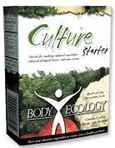
Make your own cultured vegetables at home with Body Ecology’s Culture Starter. Full of beneficial probiotics, Culture Starter provides us with the most potent way to make the delicious fermented vegetables that help detoxify your body. Try Culture Starter today!
Now that you know how important cruciferous vegetables can be for your health, it’s time to start eating them more regularly!
Cruciferous vegetables include: common varieties like broccoli, Brussels sprouts, cabbage, cauliflower, collard greens, kale, and turnips. But bok choy, arugula, horse radish, wasabi and water cress are also cruciferous vegetables!
Here at Body Ecology, we love raw, cultured vegetables because they are an easy way to add healthy probiotics, fiber, and detoxifying calcium glucarate to every meal.
Cultured vegetables also let you enjoy all the benefits of raw vegetables but are much easier to digest. In fact, when your “digestive fire” is low, raw vegetables are not well-metabolized and do not provide the nutrition your body needs to grow and sustain life. without the drawbacks!
Raw, cultured vegetables:
- Are easy to digest.
- Populate your gut with probiotics.
- Have a tangy taste that complements a variety of foods.
- Provide high levels of calcium glucarate (especially when made with cruciferous vegetables).
- Help naturally detoxify your body.
- Give you much needed fiber.
Many people have difficulty eating raw vegetables, and raw cruciferous vegetables (like broccoli, cabbage, and kale) should not be eaten unless they are cooked or fermented. They will actually suppress your thyroid function. Fortunately, in our cultured vegetables the fermentation process encourages the growth of healthy bacteria that eliminate this thyroid-suppressing effect and makes the raw vegetables very easy to digest even for toddlers and the elderly. Read Why You Need to Cook these Vegetables for Maximum Nutrition.
Cultured vegetables are easy to make at home with our delicious recipes and Culture Starters.
By adding a ½ cup (or more) of cultured vegetables to every meal, you’ll be getting beneficial bacteria, vitamins and minerals, and that very important fiber, as well as the protective effects of calcium glucarate.
Sources:
- “Calcium Glucarate,” Cancer.gov.
http://www.cancer.gov/Templates/drugdictionary.aspx?CdrID=41803
“What’s Missing from Multi-Vitamin Supplements?” Life Extension Magazine, Nov 2000. http://www.lef.org/magazine/mag2000/nov2000_report_lemix_1.html - Lonky, Stewart, “Calcium D-Glucarate,” MD-PHC.com. http://www.md-phc.com/nutrition/calcium_d.htm
“What’s Missing from Multi-Vitamin Supplements?” Life Extension Magazine, Nov 2000. http://www.lef.org/magazine/mag2000/nov2000_report_lemix_1.html - Sahelian, Ray, “Calcium D Glucarate,” RaySahelian.com. http://www.raysahelian.com/calciumdglucarate.html
LATEST ARTICLES




POPULAR ARTICLES



Customer Reviews

Really settles my stomach. Love it!
This is an excellent probiotic, I drink it daily.


