

Quick & easy guide to Body Ecology: What to eat + healthy snacks
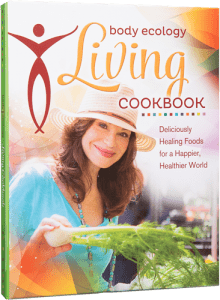
Think you don’t have enough time to eat healthily? Our tips and easy recipes can show you how to create new, healthy habits with help from the Body Ecology Diet.
If you’re ready to rejuvenate your body, lose weight, and boost your immunity, then you’re ready for the Body Ecology System of Health and Healing!
If you missed Part 1 of this article, be sure to familiarize yourself with Body Ecology’s first 7 steps to great health. Part 1 outlines 7 healing principles and 7 healing superfoods, along with the basics to get you started on the Body Ecology program.
This week, it’s time to get your most pressing questions answered.
We love receiving your e-mails, and after reviewing them, we’ve gathered the most common questions about getting started with Body Ecology.
Q. I keep hearing about Stage 1 and Stage 2 of the Body Ecology program. What does that mean?
A. Stage 1 is the strictest version of the Body Ecology program and is the best place for everyone to start, especially if you have candida, digestive problems, or autoimmune issues. Stage 2 is the less strict version that allows you to add more foods and healthy snacks back into your diet.
The goal of the Body Ecology System of Health and Healing is to help you create more energy, conquer infections and inflammation, correct digestion, and cleanse out toxins.
What separates our diet from the other diets is that we focus on the inner ecosystem. When your inner ecosystem is healthy, your intestines are full of beneficial bacteria (microflora) and yeast that boost your immunity and help you digest and assimilate nutrients.
- Stage 1 is followed while you are re-establishing your inner ecosystem.
- Stage 2 is followed once your inner ecosystem has healed. During this time, you may still be healing in other areas of your body, like your liver, and will want to continue a step-by-step process. The Body Ecology program acts as a roadmap for your healing journey.
Q. I’ve been on Stage 1 of the diet for about two months. When can I transition to Stage 2 and introduce different foods?
A. In general, people are able to start adding new foods/other healthy snacks to their diet at around three months. However, everyone is different, so your body is your best guide for when you’re ready to move to Stage 2. Some people start the BE Diet who already have good health, others with mild to severe diseases and illnesses.
Some typical ways you will know you’re getting better include improved digestion, fewer cravings for sugar, more energy, fewer colds and flu, clear skin, better sleep, and, of course, improved symptoms if you have a disease. Once you feel these improvements are pretty stable, slowly introduce one new food at a time and really observe how your body responds.
Here are foods and healthy snacks that are NOT on Stage 1 but are great to add during Stage 2, when your inner ecosystem is healed:
- Milk kefir.
- Beans (soaked and sprouted).
- Fermented soy products, like miso natto and tempeh.
- More sour fruits, like pomegranate, grapefruit, kiwi, and blueberries.
Q. I just started the Body Ecology Diet, and I don’t feel so good. What am I doing wrong?
A. You are most likely experiencing the die-off of bad bacteria, yeast, and fungi, and for a short time, you may feel worse than before you began the diet.
Your symptoms are normal!
As these pathogenic organisms die, your body must eliminate them. “Die-off ” reactions can show up in many ways. From your skin, your bowels, mucus in your lungs, unseen substances in your urine, and even through the vagina, toxins will be eliminated. It’s something to be grateful for, but that’s not always easy to do.
Feeling fatigued or even feeling that you’re coming down with a cold or flu is common.
To minimize this sometimes very miserable early stage of die-off, we recommend colon cleansing. (Be sure to read: Powerful tips to improve your digestive system’s health: From a conversation with Nancy Spahr, CBE & colon therapist.) Stick with it, and you’ll soon have a cleaner body, fewer toxins, and the energy that goes with it!
Read Why your body needs to cleanse to learn more about this process.
If your symptoms are too severe, just go more slowly and introduce only one new Body Ecology tool at a time. (Remember the principle of Step by Step.)
- Change your fats and oils.
- Eliminate sugar/add stevia.
- Add cultured veggies or one of our probiotic liquids to your diet.
Q. What can I eat for breakfast on Body Ecology?
A. Unless you wake up feeling very hungry or have an extremely active day ahead of you, it’s best to eat lightly in the morning and have a liquid style breakfast to hydrate your body.
Here’s a great, healing morning routine:
- Upon waking, drink a glass of water or probiotic tonic: Combine ½ cup of young coconut kefir with a sour juice concentrate (try unsweetened cranberry or black currant juice) and stevia for sweetness. Or for greater convenience, use the tasty and economical CocoBiotic.
- Follow with an energizing green drink, like Vitality SuperGreen in filtered water. We like to add 2 scoops of Fat Flush Whey Protein concentrate for a delicious morning pick-me-up.
- Eat your breakfast once you start to feel hungry. Here are three great breakfast options:
- A Body Ecology soup is a delicious way to get your vegetables and hydration to start your morning right.
- Make soft scrambled eggs, Body Ecology style.
- Quinoa flakes can be prepared like porridge with your favorite herbs and veggies for a much more healing breakfast option that won’t feed candida. If you like it sweeter, add stevia and cinnamon. You can also add raw butter or any of BE’s wonderful oils — just skip the milk.
Q. What’s a good Body Ecology lunch? Dinner?
A. Lunch: Between 11:00 am and 2:00 pm is the ideal time to have a protein meal. One or even two smaller meals (especially good if you are undernourished and need to replenish your nutrients) will be needed and digested better at this time of the day when your “digestive fire” is the strongest. You will also have plenty of time to fully digest this protein before you go to sleep if you eat it before 2:00 pm.
Easy turkey lettuce wraps are quite delicious and simple to make.
A. Dinner: Using one of our grain-like seeds, such as quinoa or millet, as an entrée is ideal for your last meal because it is easy to digest and calming. Eating animal protein for dinner makes it harder to sleep deeply at night. The Body Ecology grain-like seeds help raise serotonin levels, which converts to melatonin, the deep sleep hormone.
Try Body Ecology grain-like seeds (millet, amaranth, quinoa, and buckwheat) combined with your favorite vegetables. Dark green and ocean vegetables should be included often.
Q. What are some quick-and-easy Body Ecology healthy snacks?
A. Once you start experimenting, you’ll find that there are many options for healthy snacks.
Some ideas for healthy snacks are:
- Create vegetable and nut pâtés with your favorite ingredients. One of our favorites is the artichoke pâté roll-up, made with soaked and sprouted almonds. Use sheets of nori or romaine lettuce leaves as a wrap. Roast beef or turkey roll-ups mentioned above also make a great healthy snack. These foods are transportable.
- Cultured vegetables make a healthy, delicious fast food snack. Add your favorite oils to them, some sea salt, raw cream, or even a touch of homemade mayonnaise to make them less sour. Cultured veggies can be served in a bowl with blue corn chips if you digest corn well.
Q. Tell me more about fermented foods and drinks.
- How big is a serving of cultured vegetables?
- What about probiotic liquids? How much should I drink, and how else can I use them?
- When can I add milk kefir?
A. Cultured vegetables: While this may vary according to your specific needs, we often recommend ½ -1 cup of your favorite cultured vegetables with each meal.
Cultured vegetables are a wonderful way to introduce probiotics into your digestive tract at every meal. Consider making a salad with mixed field greens, romaine lettuce, your favorite raw vegetables (best grated), and a serving of cultured vegetables for flavor. Toss in some arame that has been soaked and chopped finely.
A. Probiotic liquids: To learn all about probiotic liquids, read: Which type of probiotic liquid should you choose? Is there a “best” type for you?
To find out how much to drink and other fun ways to use probiotic liquids, read: 8 ultra-healthy uses of probiotic liquids: Serving sizes, storage & more.
B. Milk kefir: This tasty “feel good” fermented drink is best added when your inner ecosystem has healed (Stage 2).
Milk kefir can be made with raw organic cow, goat, or soy milk. Always drink milk kefir on an empty stomach.
Q. I’m ready to start the Body Ecology Diet. What can I eat?
A. The first stage of the Body Ecology Diet includes a variety of healing foods that do not feed pathogenic yeast (like candida) and bacteria.
To learn more about which foods to eat, read Part 1 of this getting-started guide, which covers the 7 superfoods.
Q. What about cravings? I’m so used to sugar, caffeine, and alcohol!
A. Once you’ve established a healthy inner ecosystem, your body will no longer crave certain foods.
After following the Body Ecology System of Health and Healing, many people report that their cravings for sugar and other foods disappear. But there is no need to avoid these foods forever.
There are natural sugars found in many whole foods that are healthy, like fruits and grains, and with a healthy ecosystem, these sugars won’t be harmful. Caffeine and alcohol are drinks you might want to avoid entirely if ideal health is your goal.
Pay attention to your body and notice how you feel after consuming foods that are not on the Body Ecology program. When your body becomes balanced, you may find that you don’t want those foods anymore. A healthy body can tolerate the occasional enjoyment of these foods.
Take the time to build a healthy way of living
As you experiment with the Body Ecology Diet in your life, you will soon discover how delicious and easy it is to feel great.
After reading Part 1 and Part 2 of this getting-started guide, take a step back and reflect. While there is a lot to learn, just one small step is enough to start your healing process. Begin by stocking your kitchen with the foods, tools, and healthy snacks you need and then plan to add one new food — or maybe even one new full Body Ecology meal — at a time.
Rome wasn’t built in a day, and neither is great health. Valuable projects take time, and when it comes right down to it, what’s more valuable than your health?
LATEST ARTICLES
POPULAR ARTICLES


Customer Reviews

Really settles my stomach. Love it!
This is an excellent probiotic, I drink it daily.


